

When Esports Meets Craft: The Creative Side of Competitive Game Settings
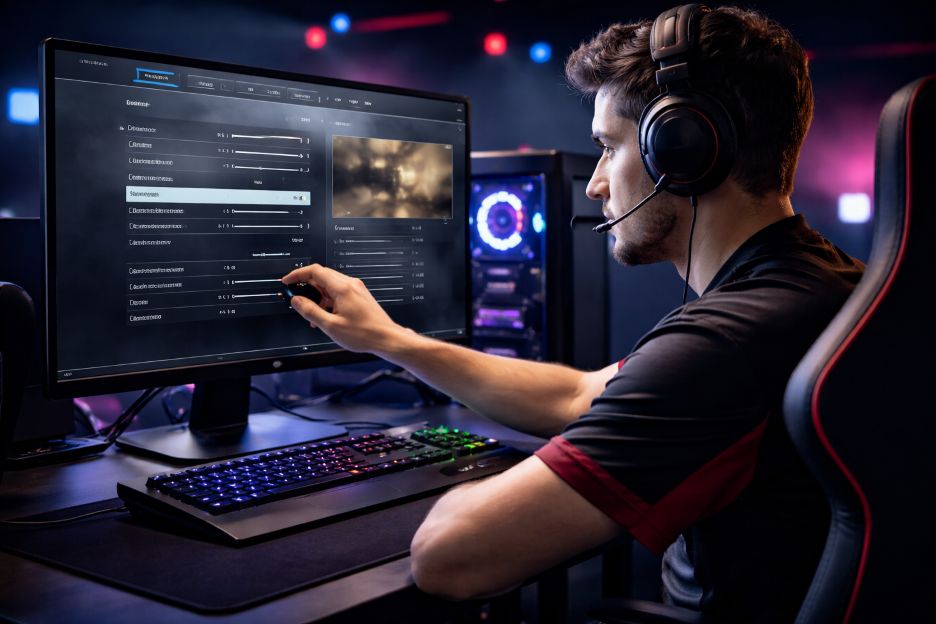
Pro gamers will tweak a setting so many times that it becomes a ritual, almost spiritual. According to a 2024 report by The Esports Observer, the average professional player adjusts their in‑game sensitivity over 30 times before settling on a “final” value that might still change tomorrow.
This might sound a bit obsessive to the casual player. But for professionals, tweaking is part of the craft. Take, for instance, the Mongolz settings, studied by analysts and fans alike. These settings aren’t just numbers; they are a window into how players balance comfort, intuition, and precision. Watching a top player mid‑match, you can almost sense the mind behind every click and swipe.
Most people think of an esports setup as nothing more than a keyboard, mouse, and monitor. But ask any pro and they’ll tell you that their settings are like a painter’s palette. There’s sweetness in finding that perfect crosshair shape, that flawless sensitivity, or that perfect refresh rate that makes everything feel right. It’s a blend of art and science.
Why Settings Evolve Over Time
Settings evolve because pro gamers are in a constant battle with themselves. One day a sensitivity feels crisp, the next it feels sluggish. It’s like trying on shoes that seemed perfect last month but suddenly feel tight. Players don’t change their settings because they are bored. They change them because they are chasing perfection; whatever that means to them on a given day.
Some settings change because of physical reasons. A player might tweak their DPI after a wrist strain. Others adjust because of psychological reasons. Confidence plays a strange role here. If a player feels “off”, they start experimenting. And that experiment can turn into a long quest for some magical configuration that brings back that feeling of flow.
Let’s be honest, every player has that one friend or coach who throws out an opinion like it’s gospel. “Have you tried lowering your sensitivity by 200?” they’ll ask. And suddenly you’re down the rabbit hole. Settings evolve because players communicate. They experiment together. They argue late at night over Discord about what looks better or feels faster. This is how esports settings become almost legendary among communities.
Comfort, Ergonomics, and Performance
If you want to be fast, you got to be comfortable. A player with a backache won’t perform well. A flick that would normally be crisp can become sloppy if the arm tires. That’s why ergonomic chairs, wrist rests, and desk height matter just as much as the in‑game settings. Comfort isn’t a luxury; it’s part of performance.
Many pro players share stories about how they once ignored ergonomics, thinking it was all about raw reactions. Then reality hits. Pain comes. And suddenly the first thing they tweak isn’t the game, it’s the chair. The second thing is their settings to accommodate new posture or grip. A little tweak here. A small adjustment there. Eventually, they arrive at a configuration where the brain and body sing together like a well‑tuned duet.
One thing you hear often is that comfort changes with age. Younger players might prefer lower sensitivities because their reflexes are nimble and wrists are fresh. Older players might favor higher sensitivities to reduce large arm movements. These differences aren’t random. They represent how human bodies adapt and how settings evolve to support those adaptations.
The Artistic Side of Personal Configuration
When we look at personal configurations as artwork, something interesting happens. Suddenly the numbers aren’t sterile. They become expressive. They tell a story of a player’s journey. Some players treat their crosshair like a signature. Some arrange keybindings with such precision you’d think they were composing music. That same creative spirit shows up across gaming culture, even in game design itself.
A good example appears in discussions about how fantasy art culture survives inside modern video games, where visual storytelling and design choices turn digital items into pieces of interactive art rather than simple game mechanics.
Consider the way players label their profiles or organize settings into custom presets. Some have color‑coded profiles for different maps or game modes. Some will even create separate profiles for practice versus tournament play. This personalization is like decorating a studio. It’s not random; it’s a reflection of identity and preference.
There’s humor too. I once talked to a player who insisted that his mouse pad had to smell just right. He kept it in a drawer with cedar chips, like a piece of vintage clothing. The scent helped him relax before a match. That’s craftsmanship of a different sort. It’s not in the settings themselves, but in the ritual around them.
Another player admitted he had a superstition about his key binding layout. If he switched favorite weapon keys, he believed he’d have bad luck for the rest of the week. Rational? Maybe not. Human? Absolutely. These quirks show how much personality seeps into the craft of competitive gaming.
Conclusion
Esports settings are more than numbers on a screen. They change over time, shaped by comfort, ergonomics, psychology, and artistry. They reflect a player’s evolution, their battles with comfort and performance, and their unique quirks. When fans examine the Mongolz configuration or any other pro setup, they are looking at the footprints of a player’s journey. Craft isn’t just in the hands; it’s in the choices, the tweaks, and the stories behind every setting.
Read More →

 Italy’s rich art history draws modern artists from around the world. Its ancient ruins, Renaissance masterpieces, and vibrant local scenes spark creativity. Many artists dream of relocating to immerse themselves in this inspiring setting. Italy’s allure lies in its ability to blend history with living culture, offering a unique backdrop for reimagining artistic work. Services like Why Wait Italy make this dream attainable, helping artists navigate the legal process of moving abroad.




 It’s called grid harmony when rows have similar tones or storylines. Meanwhile a visual rhythm is when pictures are a good mix of simple and bold, and changing content types (like art, tools, and behind-the-scenes).
 Webtoon is an online comic in South Korea that started at the beginning of the 2000s. It is available in black-and-white on the country’s website. However, as technology developed, the webtoon form changed, too. Now, webtoons are defined by their vertical scrolling style, full-color graphics, and often-included sound effects and animation. This development has let webtoons explore fresh artistic possibilities and escape the restrictions of conventional print comics.

 To make our point more vivid, let’s take a closer look at the different aspects that make San Jose tow trucks quite reliable.

 The use of art in Christian worship and practice may be attributed to the Bible’s instructions to “make beautiful” (Exodus 25:31). The Bible also provides examples of artwork in Christian history. These include the mosaic pavement from the first century and the marble statues from the fourth century. Christians have always used art due to biblical instructions, for example, Exodus 25:31, as well as historical examples of artwork such as mosaic pavements from the first century and marble statues from the fourth century. Same goes with churches and Christianity in France. Read Les Trois Deniers de Gaspard’s book about church in France.
 Fashion can express our personalities. Style clothing is not just about looking good, it’s also about feeling confident and comfortable. You should always look at yourself in the mirror and make sure you wear clothes like lacrosse clothing that enhance your body type, personal style, and personality. Let’s find the


 These are mostly recommendations about clothing ensembles, coordinates or accessories to use in promoting a new clothing line or in dressing up a celebrity or important personality.
 Still, effectively combining one’s background in education and experience, with one’s natural talent will go a long way in building a reputation as a fashion stylist in the world of fashion and glamour.
 Your letter of application must be accompanied by a curriculum vitae that contains important personal details such as your name, residential address, email address, contact number, educational attainment, professional references, awards and link to your online creative portfolio.